

The Benefits and Disadvantages of Using a Trading Broker in the Philippines
As the financial landscape in the Philippines continues to evolve, an increasing number of retail investors are turning to trading brokers to facilitate their trading activities. While using a broker can provide numerous advantages, it also comes with certain drawbacks. This article explores the benefits and disadvantages of using a trading broker in the Philippines, helping traders make informed decisions about their trading journey.
Benefits of Using a Trading Broker
1. Access to Financial Markets
Trading brokers provide access to various financial markets, including forex, stocks, commodities, and cryptocurrencies. This accessibility allows traders to diversify their investment portfolios and explore different trading opportunities, which can enhance their potential for profit.
2. User-Friendly Trading Platforms
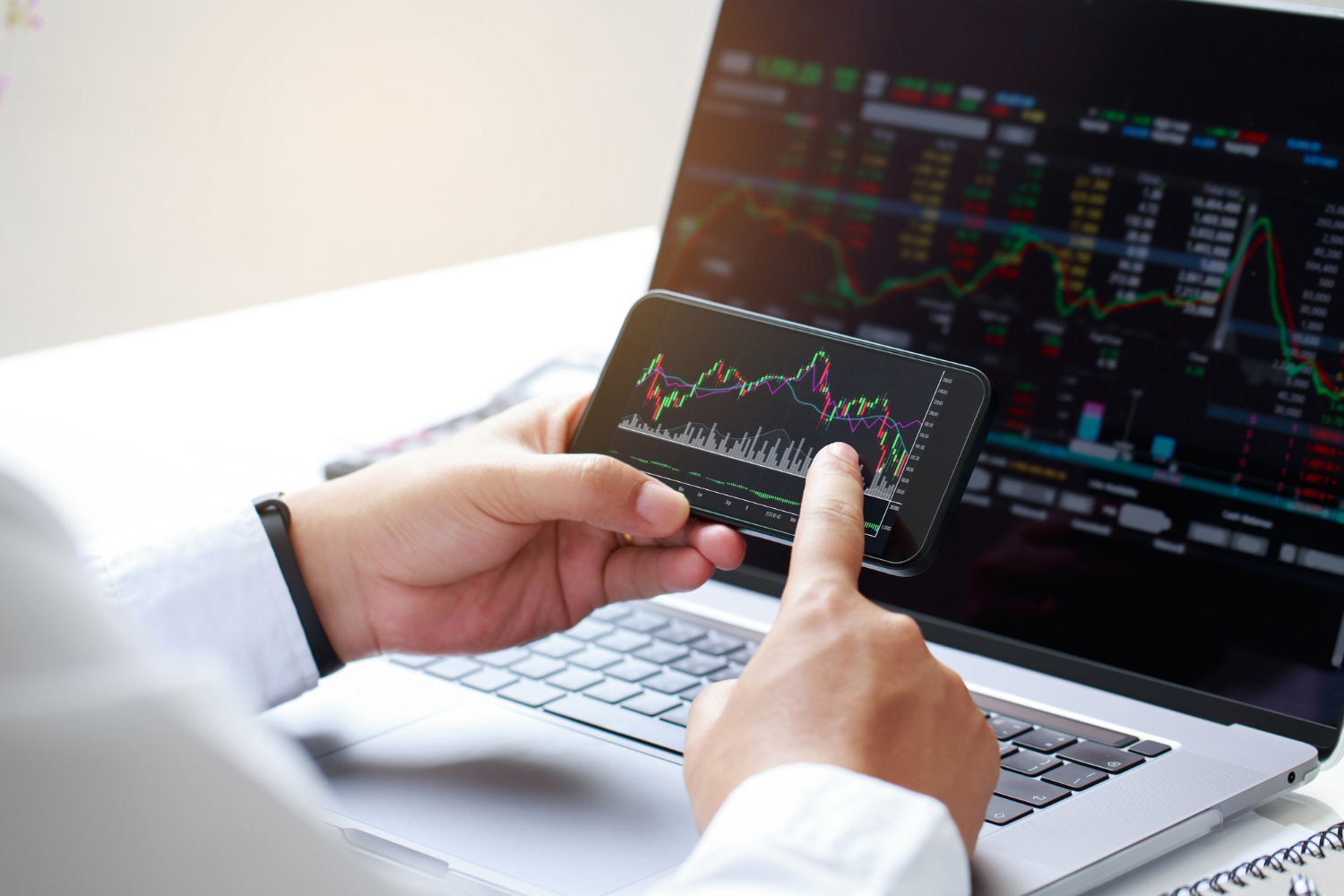
Most brokers offer user-friendly trading platforms that simplify the trading process. These platforms often come equipped with advanced charting tools, real-time market data, and analytical resources that make it easier for traders to execute trades and analyze market trends. A well-designed platform can significantly improve the trading experience, especially for beginners.
3. Expert Guidance and Support
Many trading brokers provide valuable resources, including educational materials, market analysis, and customer support. These resources can help traders improve their skills, understand market dynamics, and make informed decisions. Access to expert guidance can be especially beneficial for novice traders who may need assistance in navigating the complexities of the market.
4. Risk Management Tools
Reputable brokers offer various risk management tools, such as stop-loss and take-profit orders, which help traders manage their exposure to potential losses. By using these tools, traders can implement risk management strategies that protect their capital and enhance their overall trading effectiveness.
5. Regulatory Oversight
In the Philippines, trading brokers are regulated by the Securities and Exchange Commission (SEC) and the Bangko Sentral ng Pilipinas (BSP). This regulatory oversight helps ensure that brokers adhere to industry standards and practices, providing a safer trading environment for investors. Traders can have peace of mind knowing that their broker operates under the supervision of regulatory authorities.
Disadvantages of Using a Trading Broker
1. Costs and Fees
While brokers provide valuable services, they often come with costs that can eat into profits. Traders may encounter various fees, including:
– Brokerage Fees: Commissions per trade can vary significantly among brokers.
– Spreads: The difference between the buying and selling price may affect profitability, especially for frequent traders.
– Account Maintenance Fees: Some brokers charge fees for maintaining trading accounts.
Understanding the fee structure is crucial to avoid unexpected costs that could impact overall trading performance.
2. Limited Control Over Trades
When using a broker, traders rely on the broker’s platform and execution speed. In highly volatile market conditions, there may be delays in trade execution or slippage, which can affect the outcome of a trade. Traders may have limited control over their orders compared to executing trades directly in the market.
3. Potential for Over-Reliance on Brokers
Some traders may become overly reliant on their brokers for market analysis and decision-making. While brokers can provide valuable insights, it is essential for traders to develop their own skills and understanding of the market. Over-reliance can lead to a lack of confidence and poor trading decisions.
4. Risk of Scams and Unregulated Brokers
The forex and trading market has its share of scams and unregulated brokers. Traders must be vigilant and conduct thorough research to ensure they choose a reputable and regulated broker. Falling victim to scams can result in significant financial losses and erode trust in the trading community.
5. Limited Asset Selection
Some brokers may have limitations on the range of financial instruments available for trading. Traders seeking to diversify their portfolios may find that their chosen broker does not offer access to certain assets, such as cryptocurrencies or specific stocks. It is essential to choose a broker that provides a diverse range of trading options.
Conclusion
Using trading brokers in the Philippines offers numerous benefits, including access to financial markets, user-friendly platforms, expert guidance, and regulatory protection. However, traders must also be aware of the potential disadvantages, such as costs, limited control over trades, and the risk of scams.
To maximize the benefits of using a trading broker, aspiring traders should conduct thorough research, understand the fee structures, and choose a reputable broker that aligns with their trading goals. By weighing the pros and cons, traders can make informed decisions that enhance their trading experience and contribute to their long-term success in the financial markets.